
FIRST PLACE WINNER - Editorial: Environmental (PROFESSIONAL)
Karabash, the dirty blood of the Earth


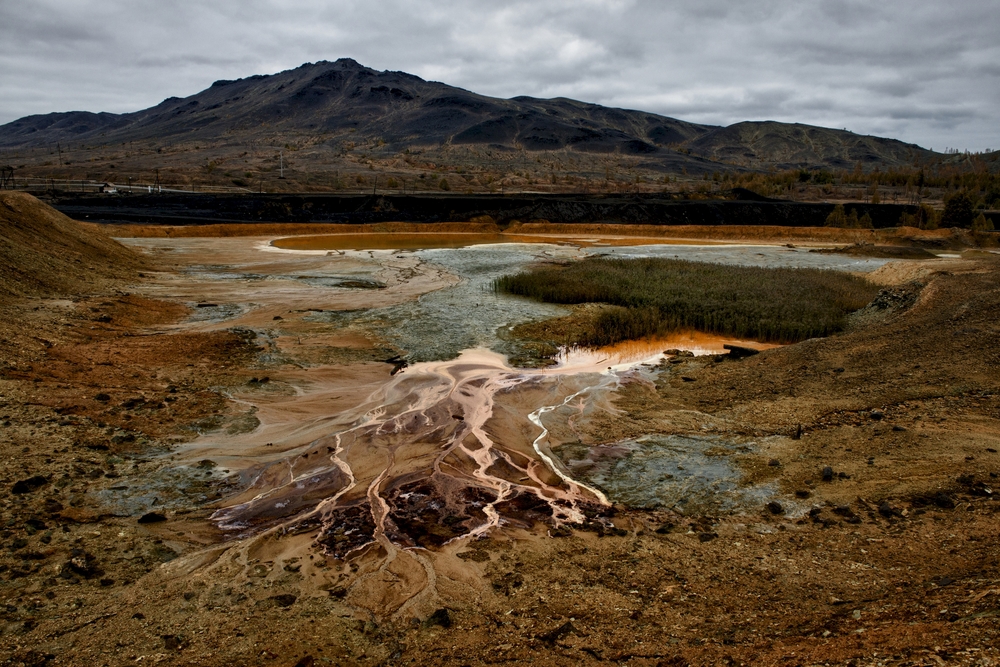

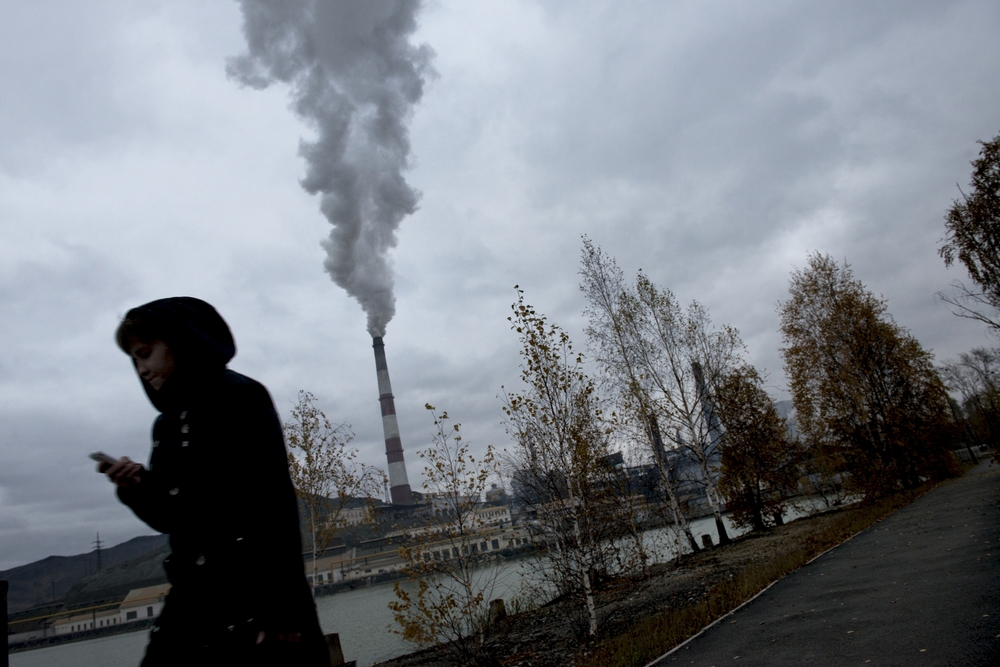

Photo © pierpaolo mittica


Support this photographer - share this work on Facebook.
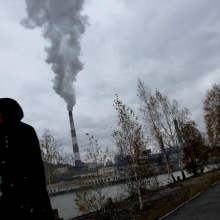
The Russian city of Karabash, in Russia, is one of the most polluted places on earth. The city is the site of a copper-smelting plant, built more than a 100 years ago, and its toxic waste has caused enormous pollution and dire health problems for the inhabitants of the region.
Since 1910, when the plant first started working, more than 180 tons of sulphur dioxide and heavy metals are released into the air every year. Forests, rivers and the soil all have an orange tint because of the residues from the processing of copper and iron, whose concentration is 500 times higher than it would normally be. The immense emissions of sulphur dioxide and the highly polluting atmospheric particulate matter are responsible for the higher rates of skin diseases, cancer, strokes and congenital malformations among the population.
In 1970, Karabash was a city of 70 thousand inhabitants, there are currently 16 thousand. Those who have the chance, escape from this hell, but most of the population does not have the possibility to leave, and their average life expectancy is 45 years. A large part of the city, that which is downwind of the plant, was evacuated over the years because of the high concentration of dioxin. Today only the bones of a ghost town remain.
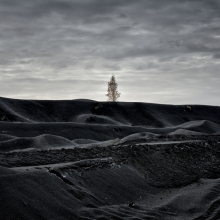
The city is divided in two by a large black mountain made of copper processing debris called Black Slag. It is twenty meters high and more than two kilometres in length, and the dust constitutes a constant threat to the population, especially when the wind blows. Today, the landscape is completely burned by carbon dioxide. The copper smelting plant has transformed the area into a living hell.
BACK TO GALLERY
The Russian city of Karabash, in Russia, is one of the most polluted places on earth. The city is the site of a copper-smelting plant, built more than a 100 years ago, and its toxic waste has caused enormous pollution and dire health problems for the inhabitants of the region.
Since 1910, when the plant first started working, more than 180 tons of sulphur dioxide and heavy metals are released into the air every year. Forests, rivers and the soil all have an orange tint because of the residues from the processing of copper and iron, whose concentration is 500 times higher than it would normally be. The immense emissions of sulphur dioxide and the highly polluting atmospheric particulate matter are responsible for the higher rates of skin diseases, cancer, strokes and congenital malformations among the population.
In 1970, Karabash was a city of 70 thousand inhabitants, there are currently 16 thousand. Those who have the chance, escape from this hell, but most of the population does not have the possibility to leave, and their average life expectancy is 45 years. A large part of the city, that which is downwind of the plant, was evacuated over the years because of the high concentration of dioxin. Today only the bones of a ghost town remain.
The city is divided in two by a large black mountain made of copper processing debris called Black Slag. It is twenty meters high and more than two kilometres in length, and the dust constitutes a constant threat to the population, especially when the wind blows. Today, the landscape is completely burned by carbon dioxide. The copper smelting plant has transformed the area into a living hell.
About author:
Italian humanist photographer, is an award - winning photographer based in Venice (Italy). He received the Masters Program at CRAF diploma in conservation, technique and history of photography in 1990, studying with Charles – Henri Favrod, Naomi Rosenblum and Walter Rosenblum, who is his spiritual father in photography. His photographs were exhibited in all Europe, United States and China, and published in Italian and international newspapers and magazines among them: l'Espresso, Alias del Manifesto, Vogue Italia, Repubblica, Panorama, Il Sole 24 ore, Le Scienze, Photomagazine, Daylight Magazine, Days Japan International, Asahi Shinbum, The Telegraph, The Guardian, Asian Geo.BACK TO GALLERY
