
THIRD PLACE WINNER - Architecture: Cityscapes (PROFESSIONAL)
Mass Storage

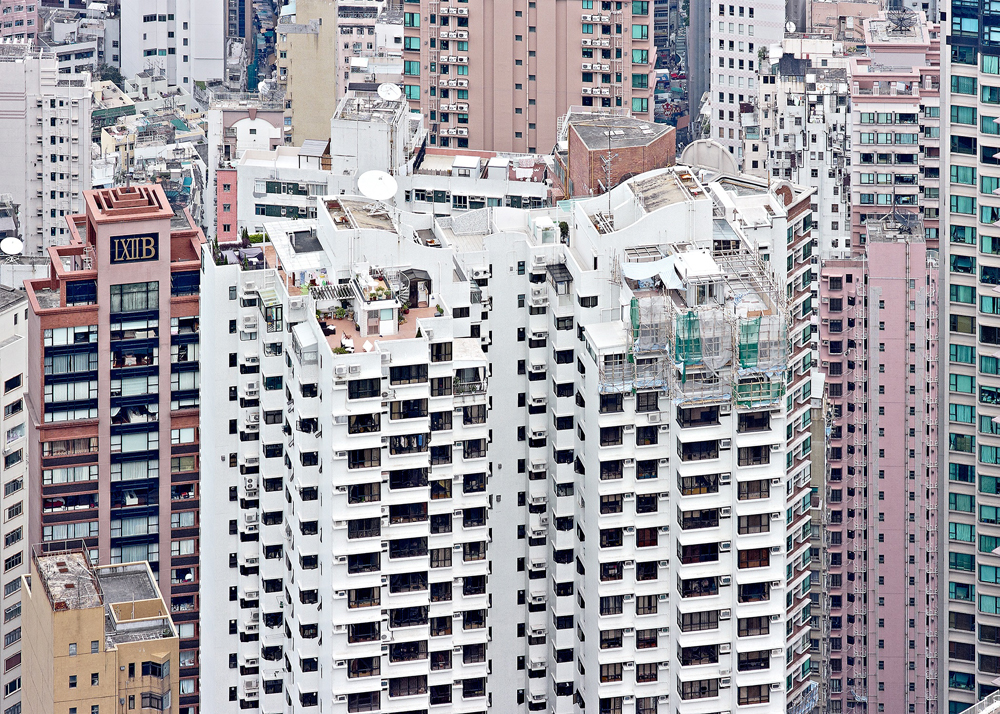
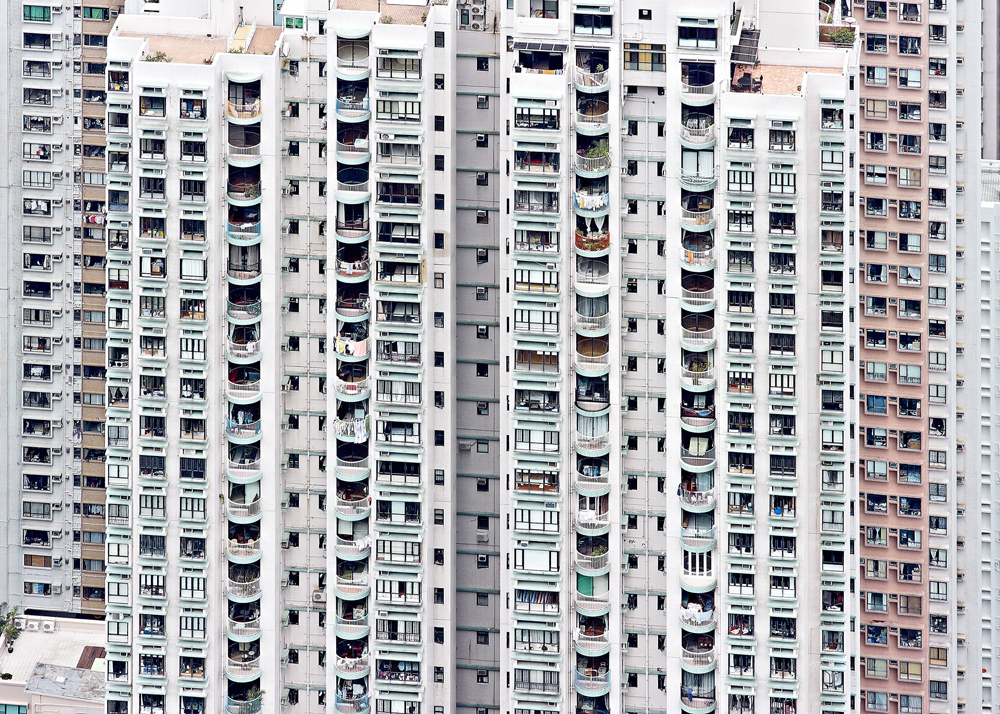


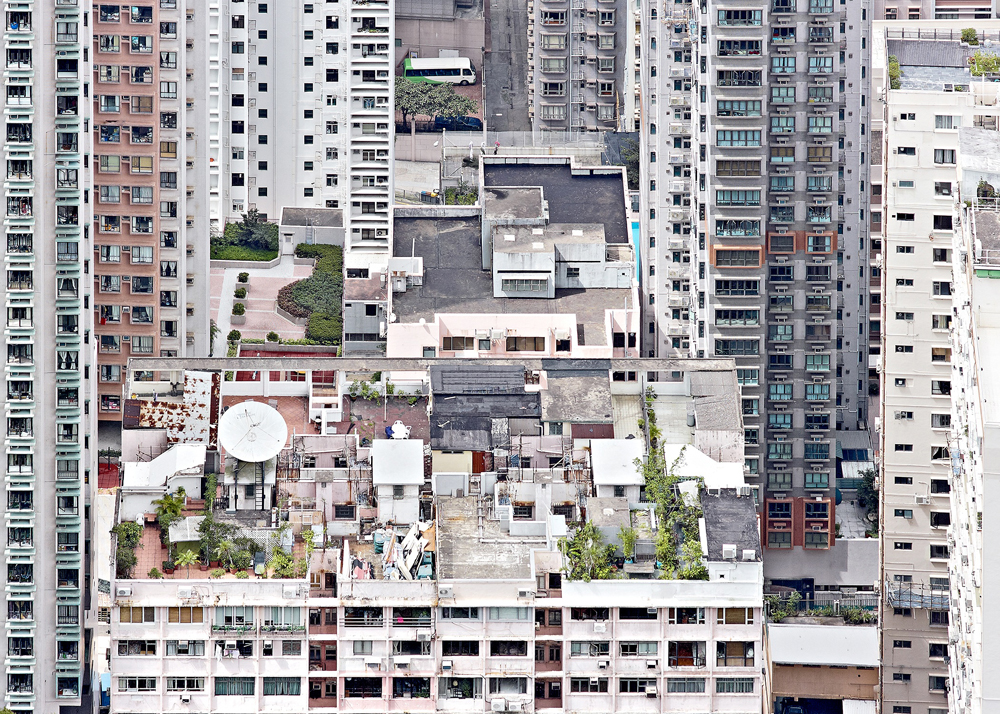
Photo © Joachim Hildebrand

Support this photographer - share this work on Facebook.
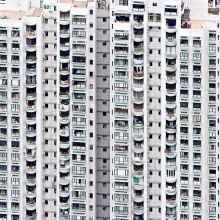
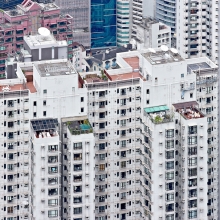
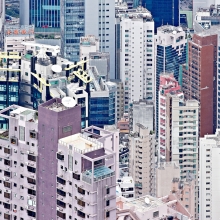
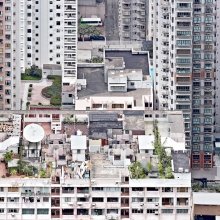
Mass Storage - The unnatural condensation of the living space of the modern urban population is particularly evident in the example of Asian metropolises (Hong Kong in the present case). Here, the oppressive atmosphere is felt, the perspective contributes to this crucial. Residential buildings crowd tightly. There are hardly any gaps outside the honeycomb that could serve as places for individuality. Additional personal space is available to a few. Rooftop terraces are used in many different ways: sundeck, miniature jungle, rubbish dump.
The concentration of the world's population on urban metropolises is a global trend that is accelerating. Everywhere people are pushing from the countryside to the big cities. It is predicted that global population growth will be fully absorbed by cities. This enormous migration is accompanied by dramatic changes in the global settlement landscape: new million cities are emerging from nothing, slums are spreading into every little urban open space, and megacities are inexorably feeding themselves into the hinterland. Suburbs extend to infinity, cities merge and urban centers grow into the sky. Urban landscapes emerge in new dimensions, structures and patterns.
This development not only has consequences for the environment, but also for the psyche of individuals and their social relationships and conditions. The question of how to make the process of global urbanization bearable for our planet and its inhabitants is becoming ever more pressing.
under, among others, Elger Esser, Joan Fontcuberta, and Martin Parr. His works have
been exhibited internationally and honored with awards such as the European Architectural
Photography Prize.
BACK TO GALLERY
Mass Storage - The unnatural condensation of the living space of the modern urban population is particularly evident in the example of Asian metropolises (Hong Kong in the present case). Here, the oppressive atmosphere is felt, the perspective contributes to this crucial. Residential buildings crowd tightly. There are hardly any gaps outside the honeycomb that could serve as places for individuality. Additional personal space is available to a few. Rooftop terraces are used in many different ways: sundeck, miniature jungle, rubbish dump.
The concentration of the world's population on urban metropolises is a global trend that is accelerating. Everywhere people are pushing from the countryside to the big cities. It is predicted that global population growth will be fully absorbed by cities. This enormous migration is accompanied by dramatic changes in the global settlement landscape: new million cities are emerging from nothing, slums are spreading into every little urban open space, and megacities are inexorably feeding themselves into the hinterland. Suburbs extend to infinity, cities merge and urban centers grow into the sky. Urban landscapes emerge in new dimensions, structures and patterns.
This development not only has consequences for the environment, but also for the psyche of individuals and their social relationships and conditions. The question of how to make the process of global urbanization bearable for our planet and its inhabitants is becoming ever more pressing.
About author:
Joachim Hildebrand studied Fine Art Photography at the Istituto Europeo di Design in Madridunder, among others, Elger Esser, Joan Fontcuberta, and Martin Parr. His works have
been exhibited internationally and honored with awards such as the European Architectural
Photography Prize.
BACK TO GALLERY
